YOUR ROOFIS TALKING.HERE'S WHATIT'S SAYING.
Every roof tells a story through its wear patterns — lifted tabs, dark streaks along the valley, granule loss around the ridge. Scroll through this page and we'll teach you to read yours.
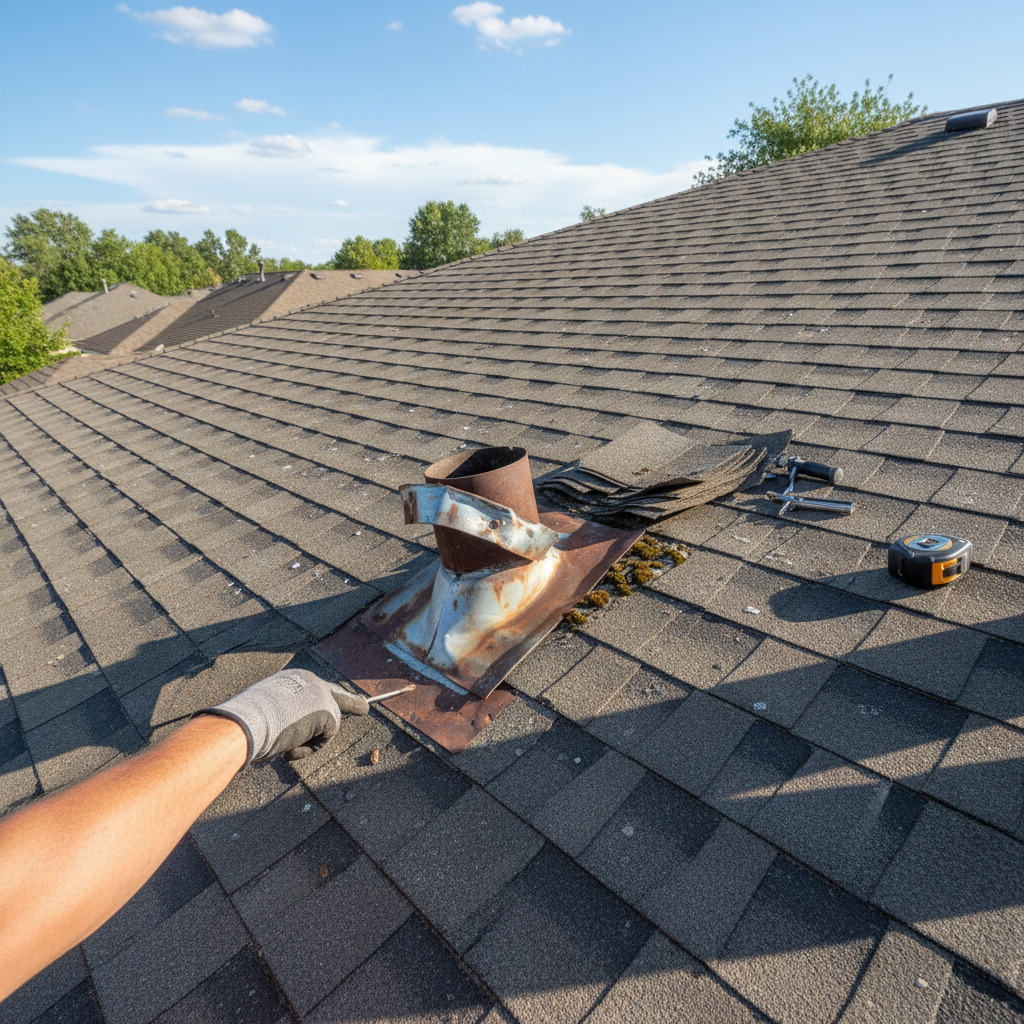
Bad contractors skip the decking map. They quote shingles without knowing what's underneath — then "discover" rot mid-job and invoice you for it.
Inspection
Reading the evidence before touching a nail.
We start on the ground with binoculars, then walk the ridge. We're looking for granule loss in the gutters, lifted tabs at the corners, dark algae streaks that signal moisture retention, and soft spots in the decking that telegraph rot underneath. Every finding gets photographed and mapped to a condition report before a single shingle comes off.
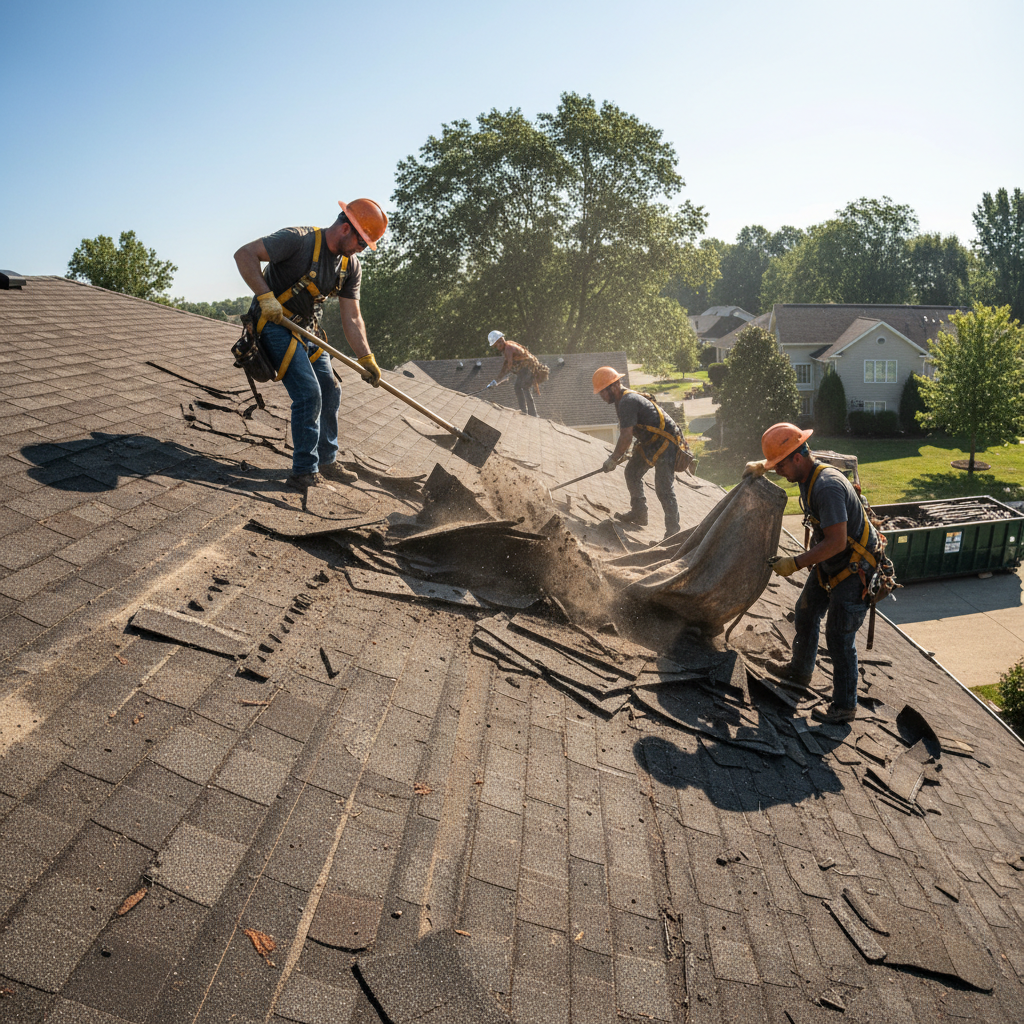
Bad contractors re-roof over the existing layer to save labor. Your warranty clock starts on the new shingles, but the rot clock keeps running underneath.
Tear-Off
Down to bare wood. No shortcuts.
We strip everything — shingles, felt, existing flashings. Layering new shingles over old is code-legal in some jurisdictions but it traps heat, adds dead weight, and hides problems. A proper tear-off lets us see the full decking surface and address every compromised board before anything goes back on. Dumpster on the driveway, tarps on the landscaping, magnetic sweep at the end of every day.
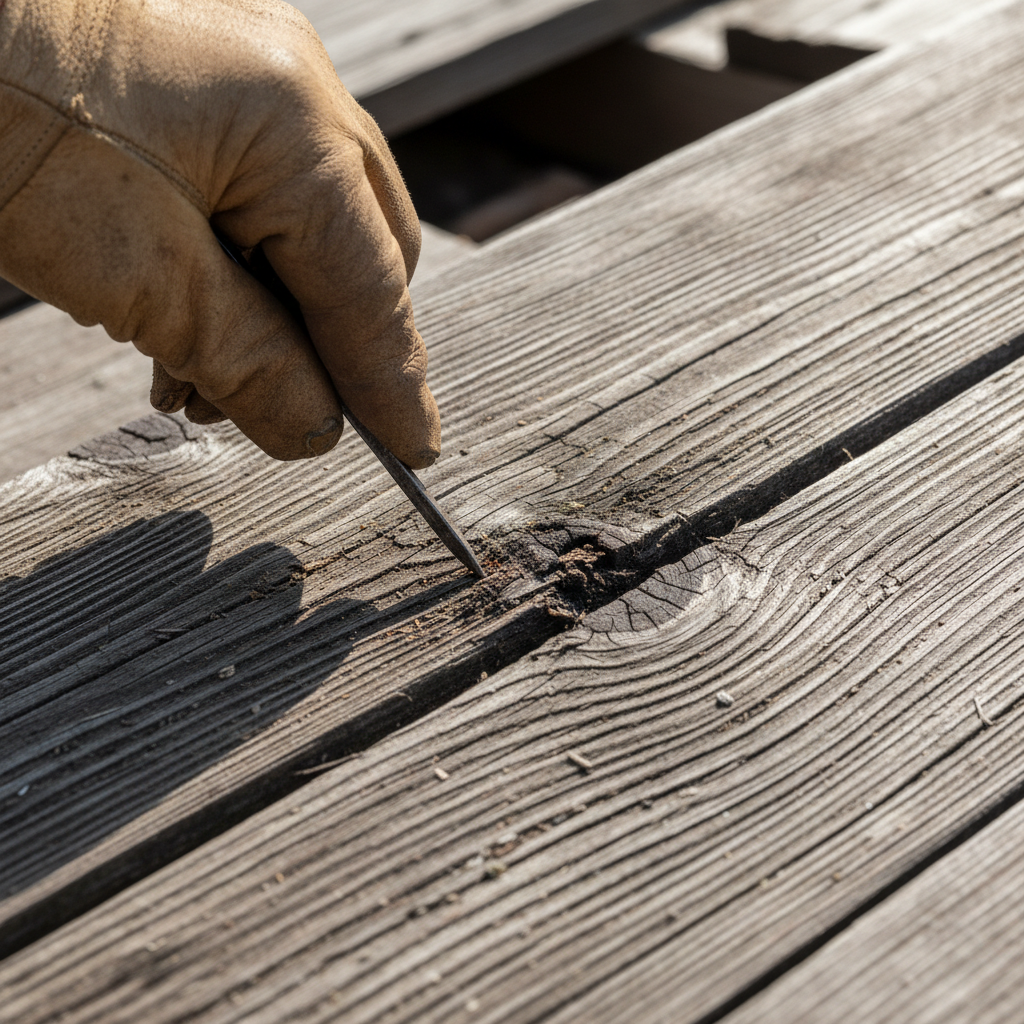
Bad contractors sister a thin piece of plywood over soft spots instead of cutting to the rafter. It looks fine on the invoice. It doesn't hold.
Decking Repair
The part most homeowners never see.
Decking is your roof's foundation. Soft spots, delaminated OSB, and rot from years of slow leaks all get cut out and replaced with matching thickness sheathing, properly fastened to the rafters with ring-shank nails — not staples. We document every board we replace with before-and-after photos so you know exactly what was done and why.
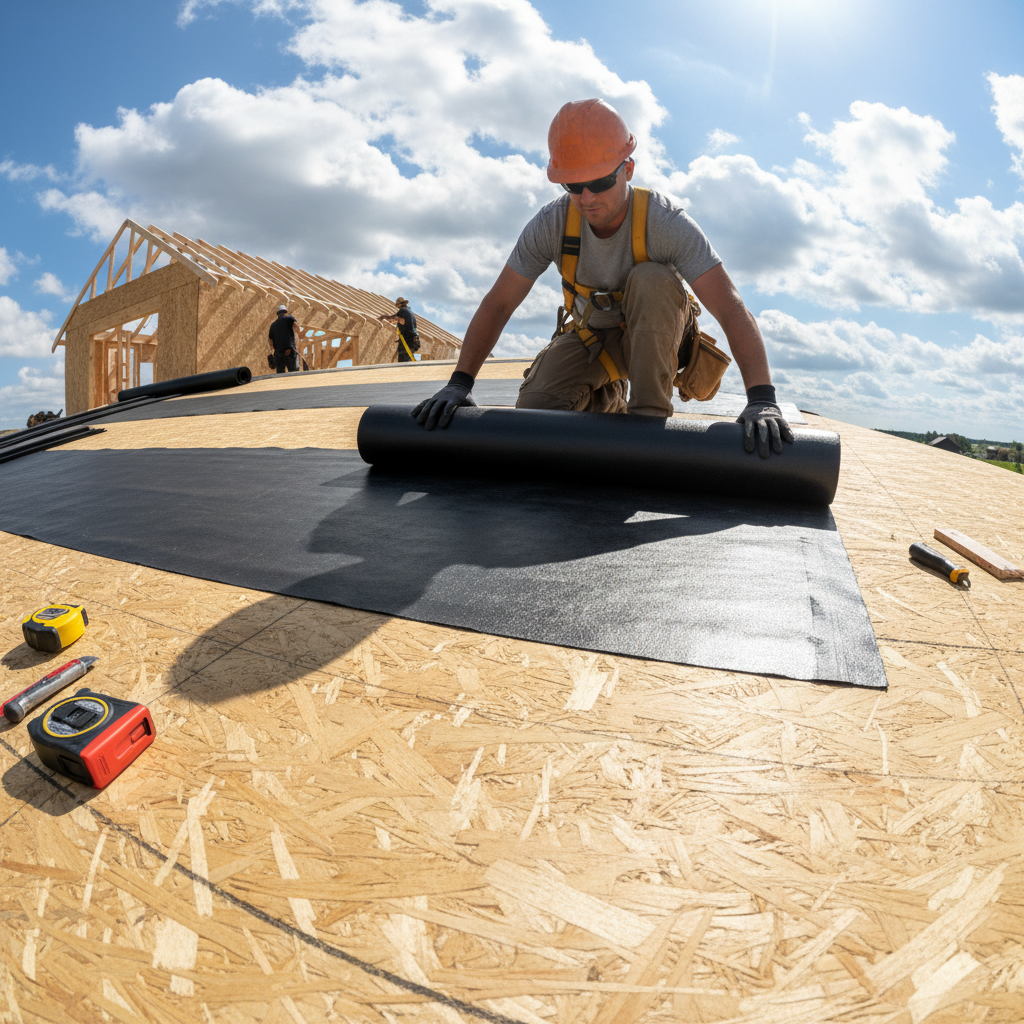
Bad contractors use 15-lb felt and skip the ice and water shield to save $200 in materials. One ice dam later and your ceiling is open.
Underlayment
The layer that saves you when shingles fail.
Synthetic underlayment goes down across the entire deck before a single shingle is nailed. Ice and water shield — a self-adhering rubberized membrane — goes in the first three feet from the eave, in all valleys, and around every penetration. This is the layer that stands between a blown shingle and a soaked ceiling. We don't cut it short to save material.

Bad contractors reuse old flashing to save time. They caulk over the gaps and call it done. You'll be calling them — or us — in three years.
Flashing
Where 90% of leaks actually start.
Step flashing at every wall intersection, continuous counter-flashing over chimneys, new pipe boots for every penetration. All in galvanized steel or aluminum — never caulk as a permanent solution. Caulk shrinks, cracks, and fails in five to seven years. Metal flashing, done correctly, outlasts the shingles by a decade.
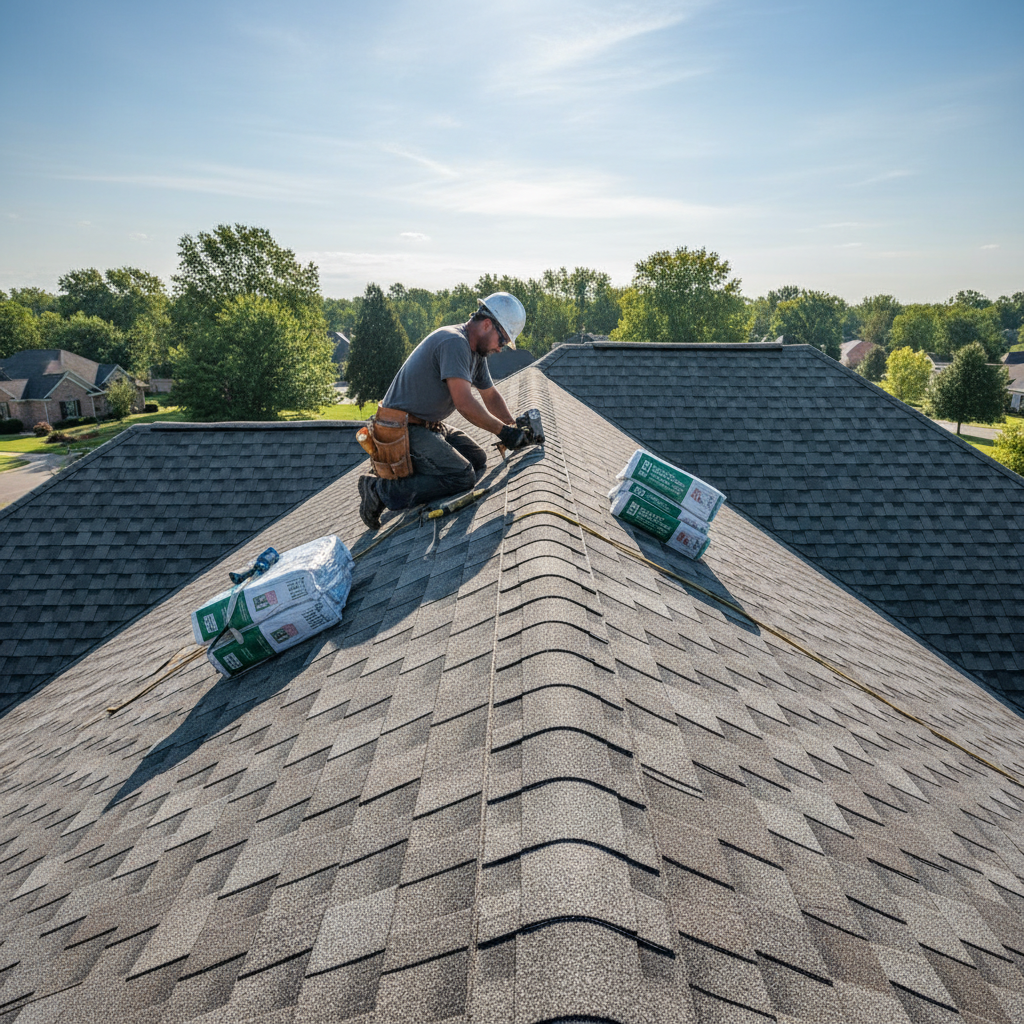
Bad contractors use 4-nail patterns to move faster. In a 70 mph wind event, those two missing nails are the difference between a held roof and a $40,000 insurance claim.
Shingle Installation
Pattern, fastening, and exposure — all matter.
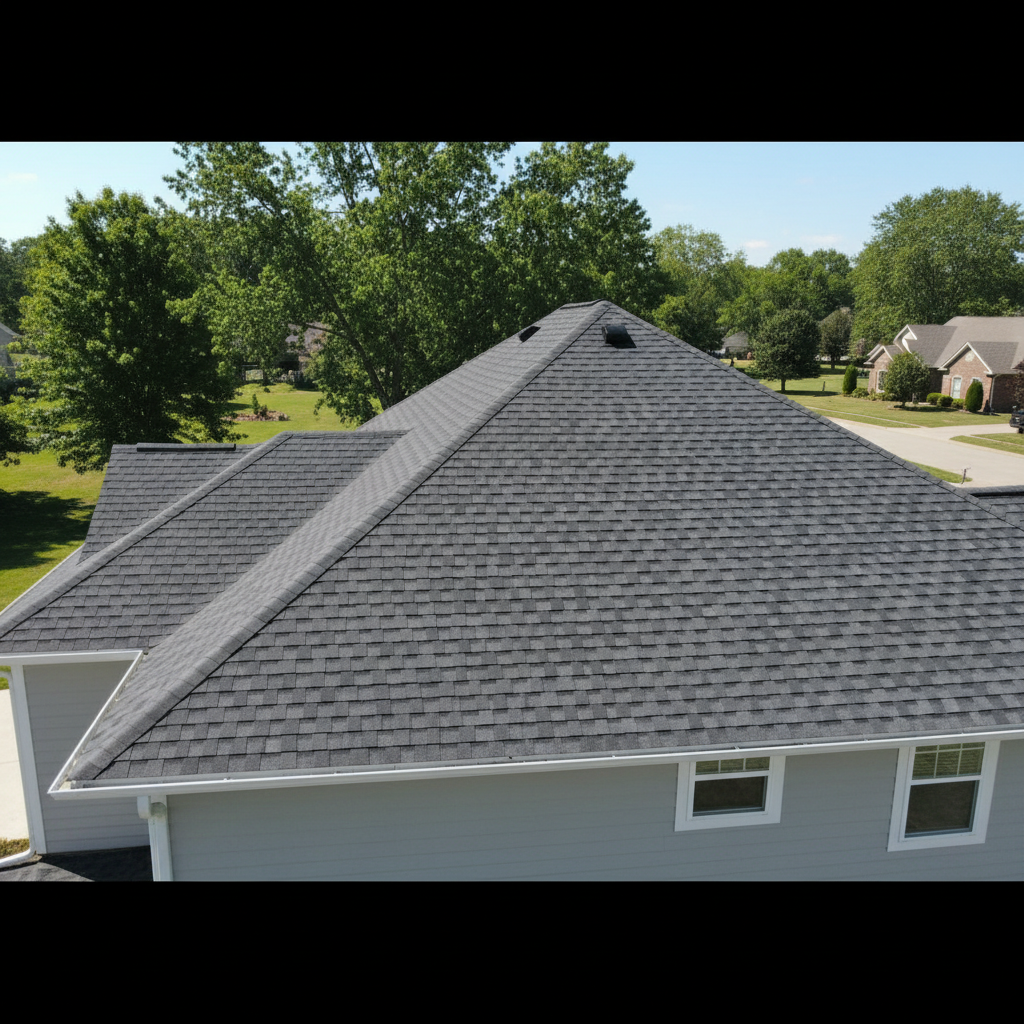
Shingles are installed in a 6-nail pattern on steep-pitch roofs and all high-wind zones. Starter course gets sealed along the eave. Each course is offset from the one below by a half-tab minimum to prevent water tracking. Ridge cap is hand-cut from three-tab or supplied as pre-formed architectural cap — never the thin factory ridge that blows off in the first serious storm.
Bad contractors disappear after the last shingle. No documentation, no walkthrough, no warranty paperwork. When something fails, there's nothing to stand on.
Final Walkthrough
You see everything we did. Nothing is hidden.
We walk the finished roof with you — or send a video walkthrough if you can't be there. Ridge cap alignment, valley cuts, flashing laps, gutter clearance. You get the full condition report with before-and-after photos of every replaced board, a copy of the manufacturer's warranty registration, and our labor warranty documentation. The job isn't closed until you understand exactly what's on your house.
THE ROOF INSPECTION CHECKLIST
Seventeen items. Exactly what we look for on every inspection — granule loss, flashing gaps, valley wear, ventilation ratios, and the seven signs of decking failure you can spot from the ground. Print it out before your next storm season.
- Ground-level inspection points (no ladder required)
- Attic warning signs that signal active leaks
- How to photograph damage for insurance claims
- Questions to ask every contractor before they quote
BOOK A FREE ROOF READING
We spend forty-five minutes on your roof, document what we find, and walk you through the condition report in plain language. No invoice unless you ask us to do the work.